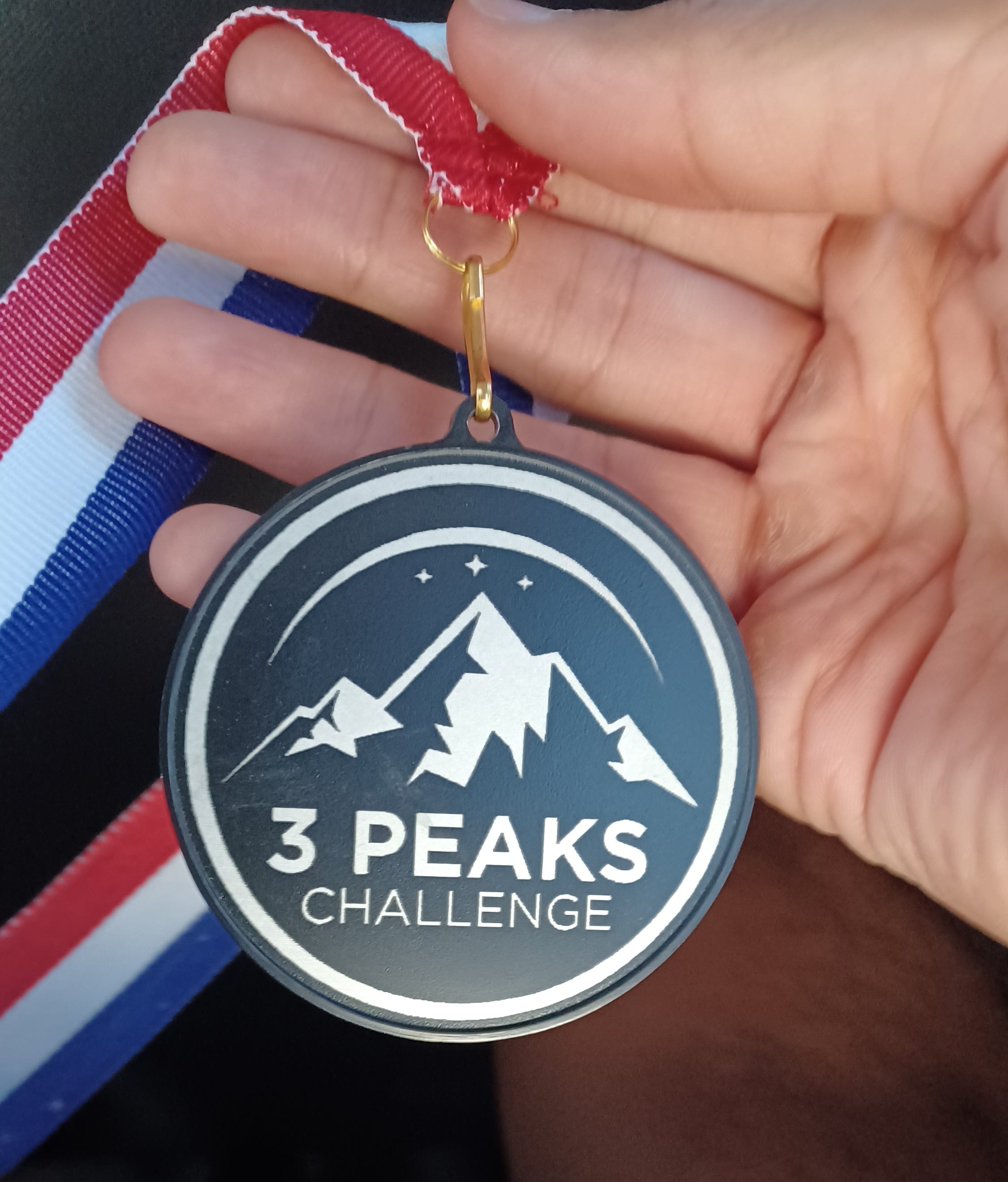
National 3 Peaks Challenge
The highest mountain in Scotland, England & Wales. All climbed in 24 hours. This is the National 3 Peaks (N3P) Challenge, which I completed last week.

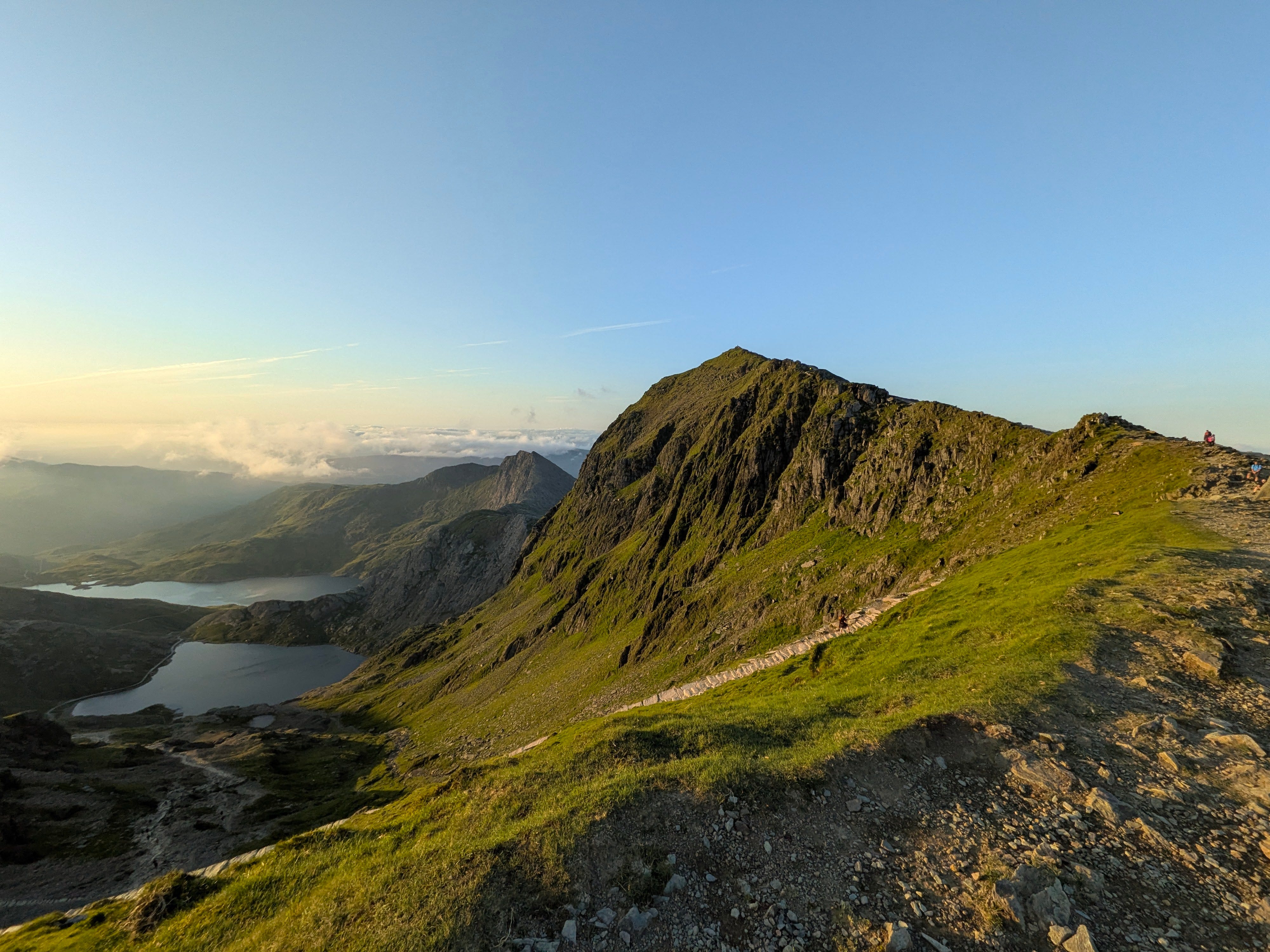
What is the National 3 Peaks Challenge?
* Information taken from the three peaks challenge website.
The National Three Peaks (N3P) Challenge involves climbing the three highest peaks of Scotland, England and Wales within 24 hours:
Ben Nevis, in Scotland (1345m)
Scafell Pike, in England (978m)
Snowdon, in Wales (1085m)
The total walking distance is 23 miles (37km) and the total ascent is 3064 metres (10,052ft). The total driving distance is ~462 miles.
For me, this was a type of challenge that I hadn’t yet attempted - one that would run through day and night and require extra thought on sleep, nutrition, hydration & recovery as the challenge went on. Logistics was a huge consideration too - something that can make or break the challenge and it’s completion in 24 hours.
What defines the 24 hour window?
The clock starts from the moment you start to climb Ben Nevis, and stops as you arrive back at the base of Snowdon. To successfully complete the challenge within 24 hours, these were the conditions set. There are a few other ways people have measured the 24hr window over the years (another common one being reaching all 3 peaks in 24 hours), but for the purpose of my challenge we will go with the above definition.
Who did you do this with?
Desi Ramblers are a local hiking group founded in 2014, and since then have organised a variety of hikes over the years. They’ve grown from a handful to quite a large group of walkers, and since starting have raised over £300,000 for charity. They were the ones organising all the training walks, as well as leading on the trek itself - a massive thanks to all those involved, including the logistics and catering teams. You can find out more about them here: Desi Ramblers 🥾
Preparation for N3P
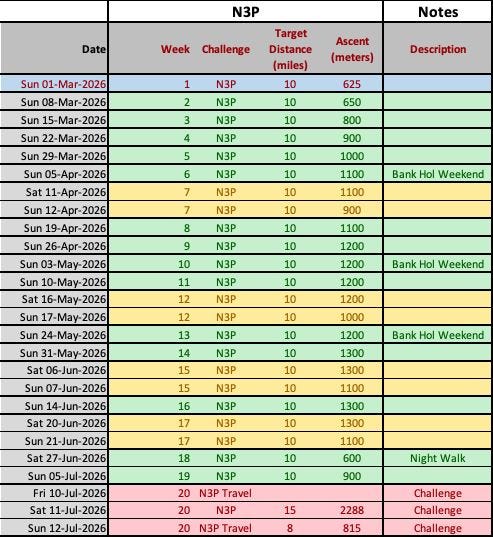
Preparation for N3P followed a structured hiking training plan, which gradually increased the ascent covered as the weeks progressed. I’ve included a screenshot of our training plan above (20 weeks of training in total) which included the following types of training:
Weekends of 1 hike
‘Double header’ weekends, where hikes were completed on both the Saturday and Sunday to simulate the fatigue that we would have during the challenge.
A night hike - to get used to walking in the dark and using headtorches.
The Chilterns was our usual stomping ground for the training - close enough to London yet having enough variety of terrain and hills. In addition to the hiking, I supplemented my training with strength sessions in the gym & kept up with my running. I would highly recommend doing more than the above training to ensure you are fit enough - this challenge requires speed and stamina.
The usual hiking rules apply in preparation:
Get used to all your equipment and clothing before you start the challenge.
Break in your hiking boots well in advance
Experiment with walking poles, nutrition etc. during the training walks. Don’t try anything new during the challenge.
Consistency is key - repeated hill training will improve your hiking fitness.
Push yourself but be realistic - as the training block comes to an end, do you think you’ll be able to do it in 24 hours, or (if possible) is their an option to do it slightly slower that will guarantee more so you finish?
Logistics
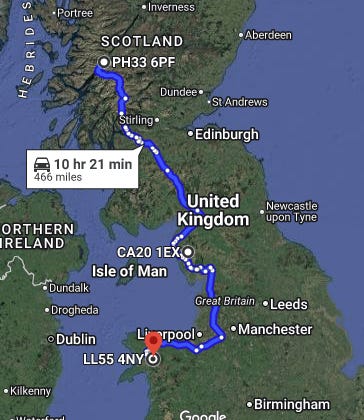
Aside from the hiking, logistics play a huge factor in the N3P challenge. The time spent off the mountains can make or break a challenge, and unfortunately there are some things that are out of your control (traffic, weather, breakdowns etc). Therefore it’s really important that you plan your logistics as best as possible to give yourself a good chance of completion.
Driving - have a designated driver who is not completing the challenge. Fatigue is a real concern during N3P, and the last thing you want to be doing is getting behind the wheel whilst half falling asleep.
Driving routes - have your service station spots mapped out, and know exactly how long you’re going to be stopping. Every minute saved counts.
Get moving on the road, the faff about - save all the eating, changing clothes etc for once you’re on the move in the minibus. You’ll have about 6.5 hours between Ben Nevis and Scafell Pike to sort yourself out, and 6 hours between Scafell and Snowdon, so that’s plenty of time.
Priorities going to the loo, hydration and nutrition first when completing a mountain - then think about changing out from your gear and getting a nap in.
Meal plan - little and often is better than 1 huge meal. Have all your meals prepped and ready to go. Minimise decision making and thinking time.
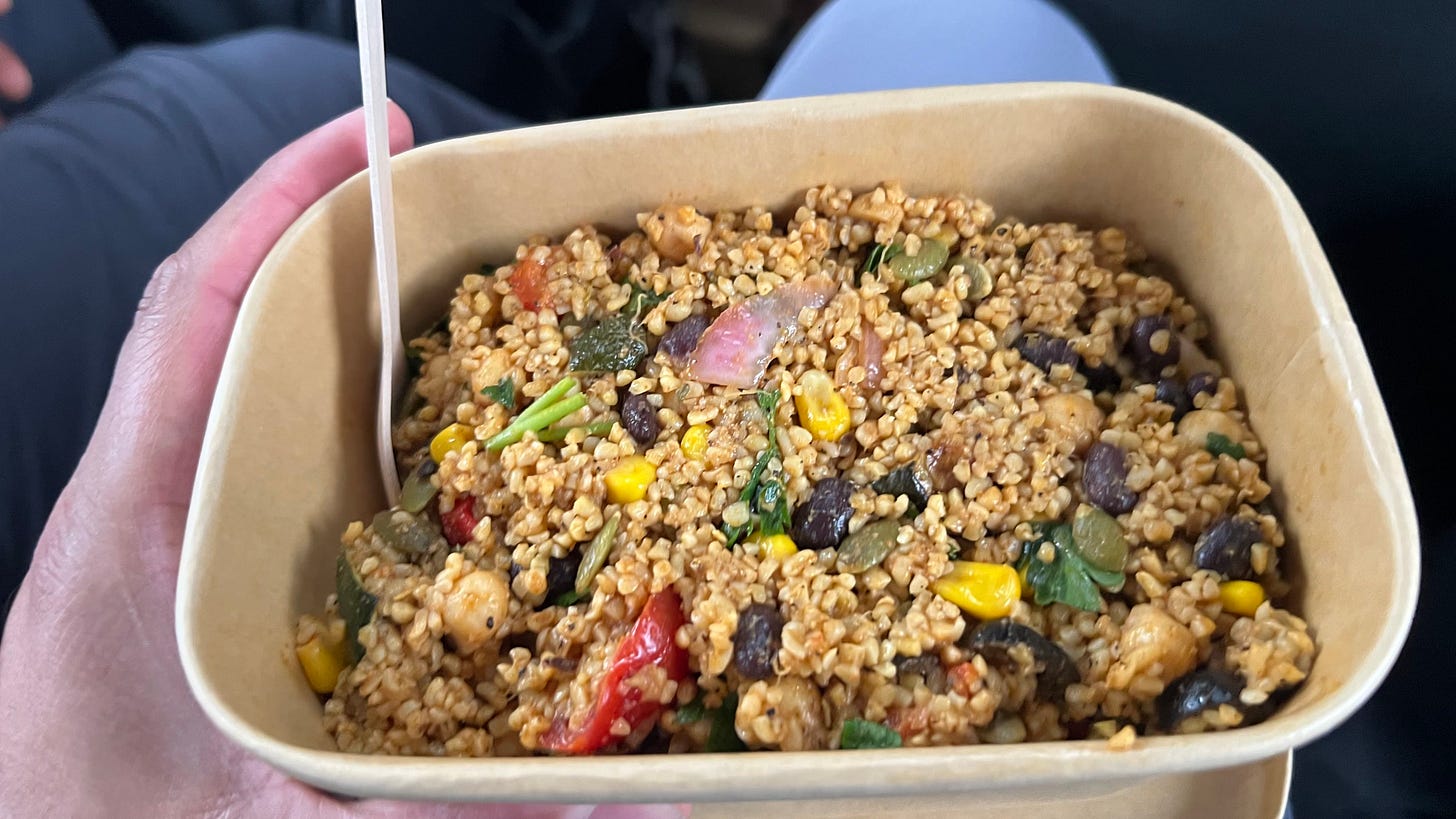
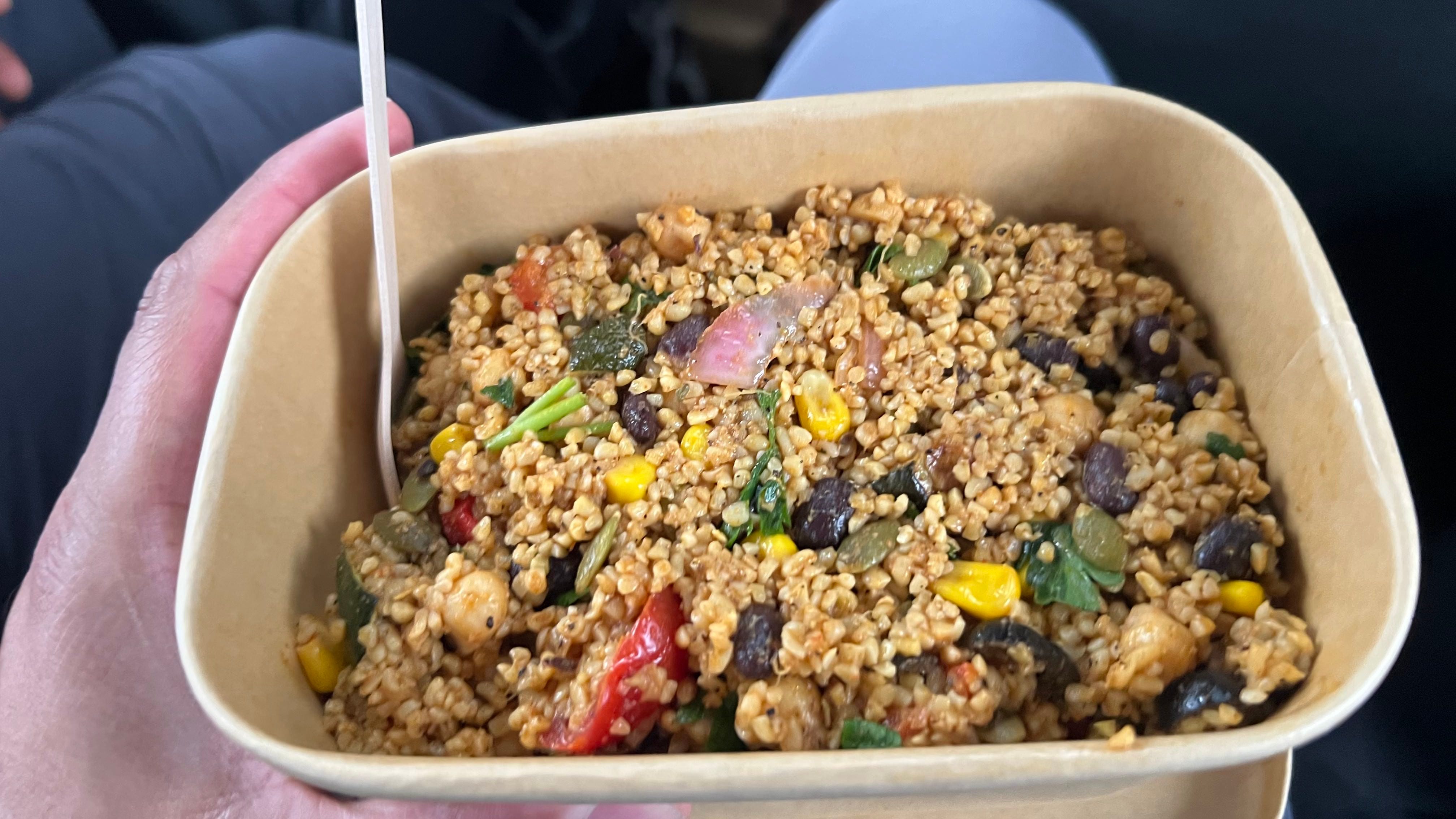
Meal 1 - Cous Cous Box 
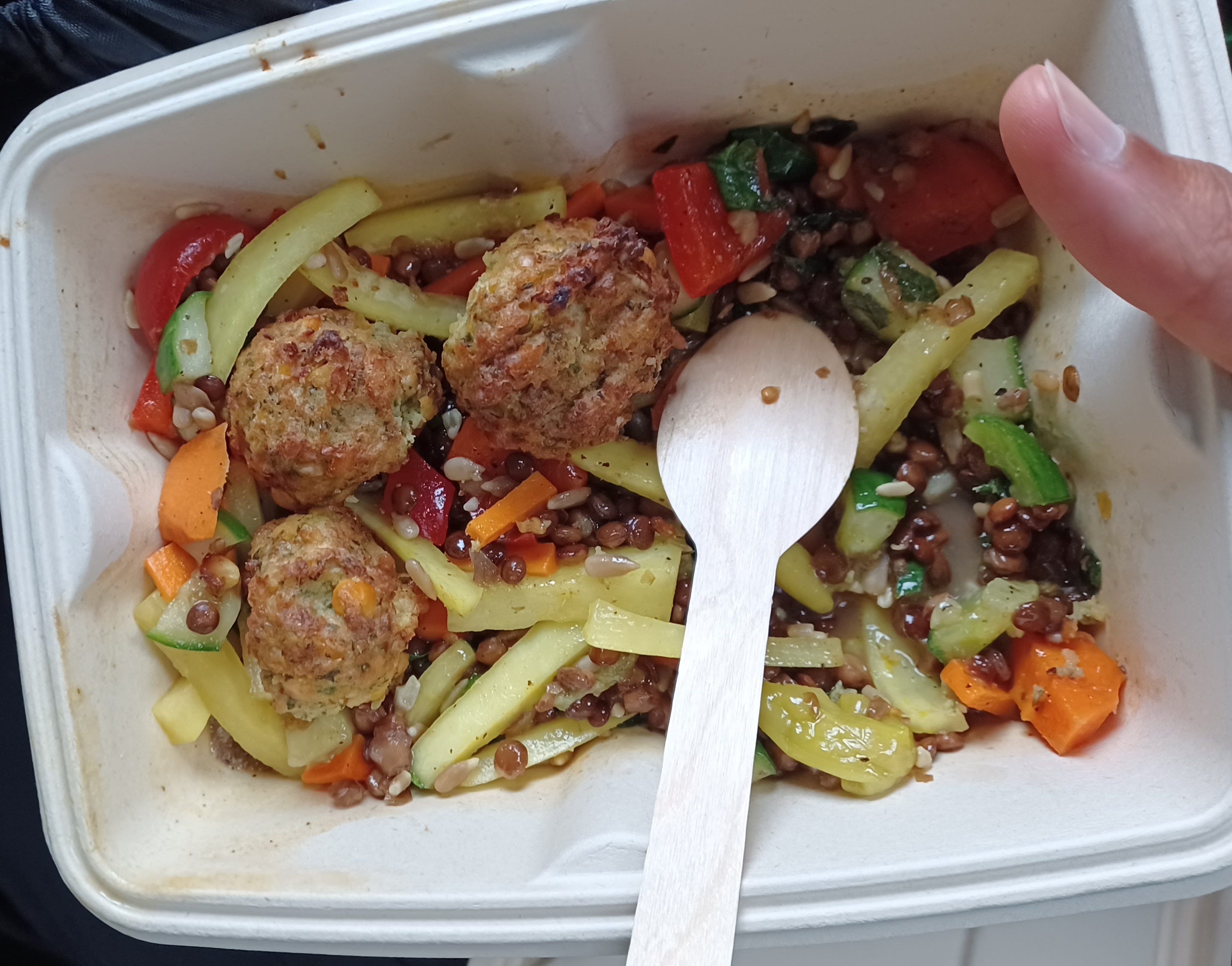
Meal 2 - Falafel box 
Meal 3 Update your challenge timings as you progress - you may be quicker, or slower, than your scheduled completion time. Update the rest of your time estimates as the challenge goes on so you know how long you’ll have left on Snowdon. I’ll use my challenge as an example below for this.

Keep an eye on the clock
Below is roughly how the timings ended up being when I completed the challenge - expectation vs reality:
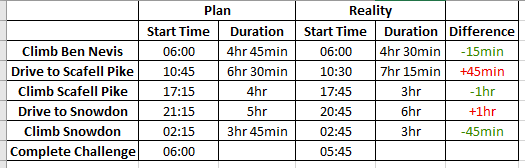
As you can see, all the time lost was on travel, and all the time gained was on the mountains. It was only because we were able to go ahead of hiking pace that we managed to claw back some of the lost time. Increased traffic around Scafell, additional service station stops and a slightly slow getaway from Nevis all adds additional time, which can come back to bite you. Going into Snowdon, we knew the timing would be tight, but a strong performance on Scafell had taken some of the pressure off. I hope this illustrates just how important each minute is, and to update you estimated finish time / required pace as you go along!
Enough about stats, here’s my lowdown on how each mountain went.
#1 Ben Nevis - Scotland (1,345m)
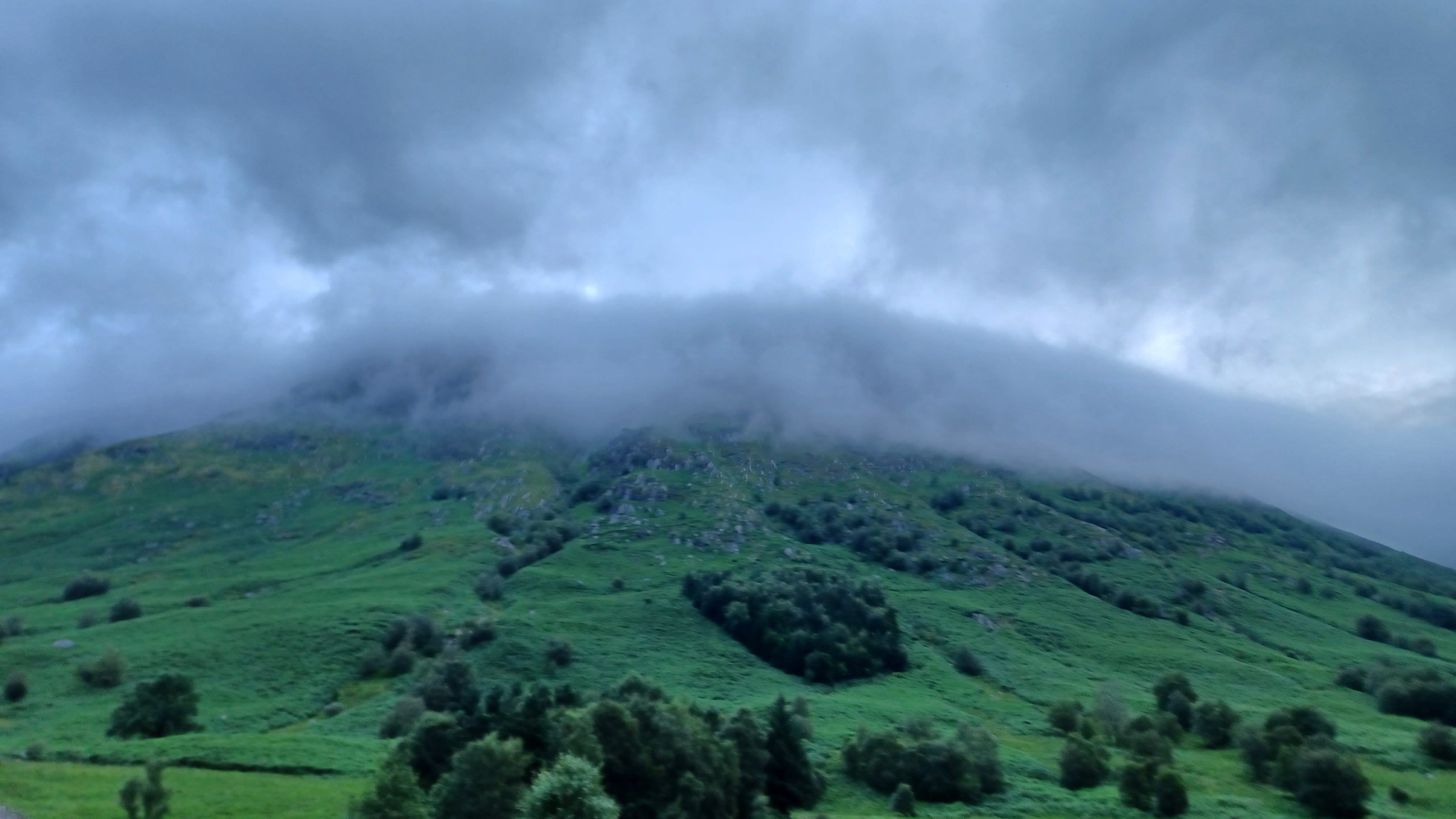
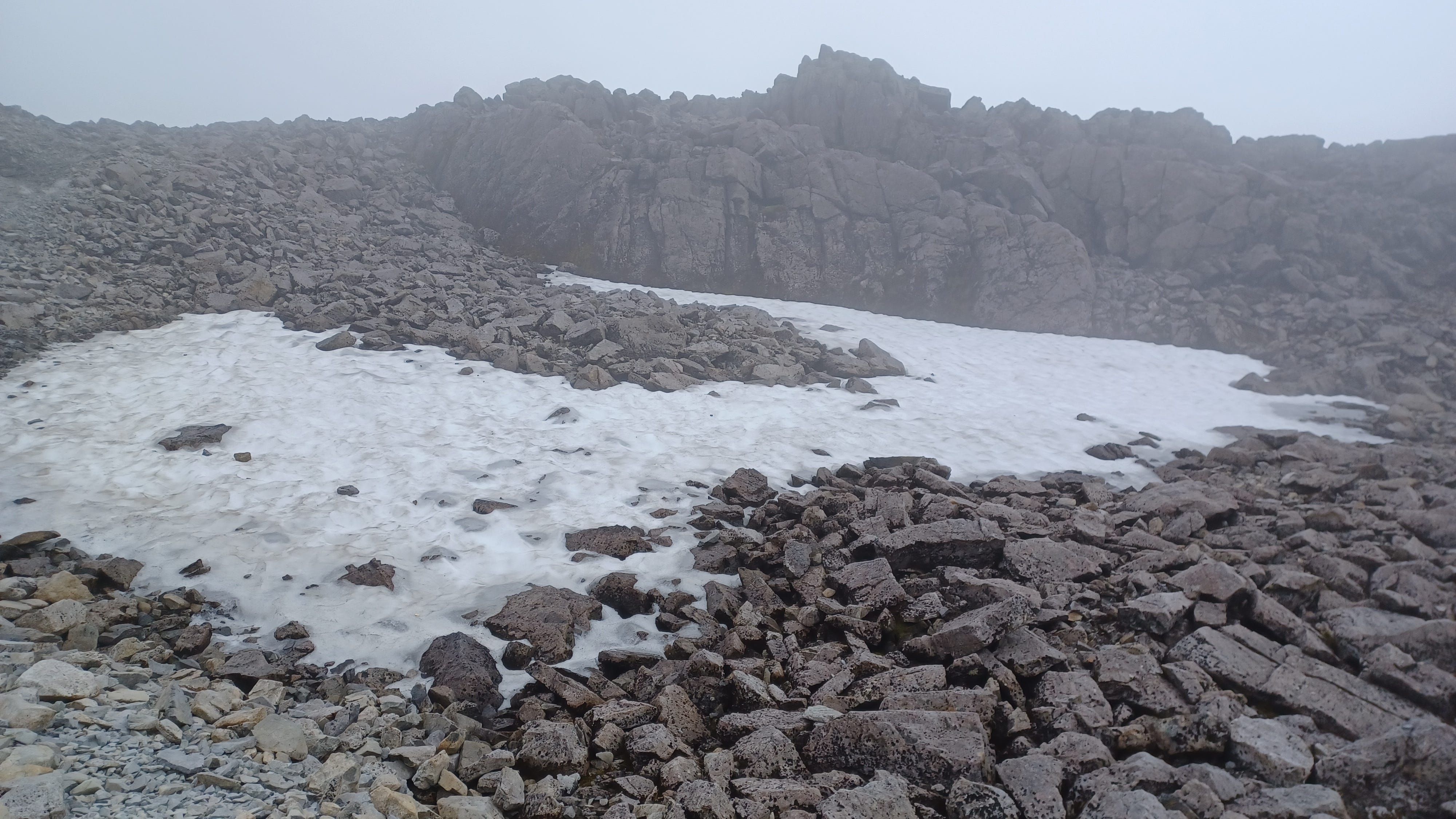
We set off at 6:00 a.m., with Ben Nevis as the first mountain of the National Three Peaks Challenge. Having climbed it nine months earlier following completion of the West Highland Way, I knew exactly what to expect, including the sections where the pace tends to slow, so I made a point of staying near the front of the group on the ascent to keep my rhythm. The conditions were pretty different from my previous climb—warm enough for just a T-shirt for most of the route, with dry rocks making the descent much quicker and more confident. Even “Heart Attack Hill” (the first 15 mins of ascent which is probably the steepest on the entire mountain) felt easier this time, which was a reassuring sign that my fitness had improved. Higher up, in hindsight I probably layered up too early. The wind had picked up, but then as we approached the summit it died down again, making it hot and sweaty work in the rain jacket (which came off soon after). The summit itself was covered in thick fog, so there were unfortunately no views. It was cool to still see patches of snow up there in July. The way down didn’t cause any major problems, and I was glad we had started early as the crowds and tourist traffic was now picking up on the mountain. I made it back to the car park in around four and a half hours with enough time to freshen up —including a quick rinse under an outdoor tap and a much-needed wash for my feet. Those small moments of recovery might not sound glamorous, but they became key to staying fresh and ready for the long miles still to come.
1 down, 2 to go.
#2 Scafell Pike - England (978m)
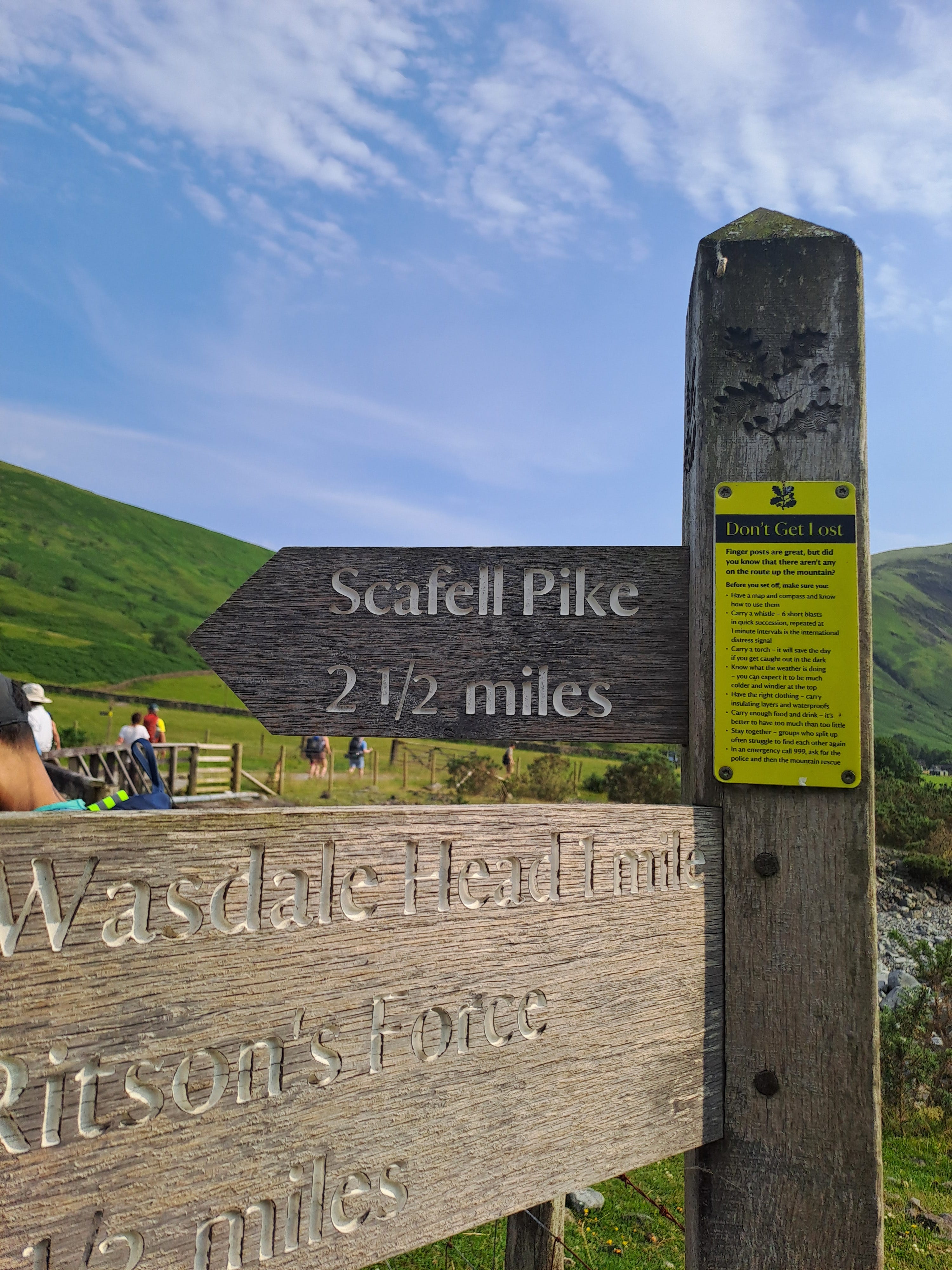
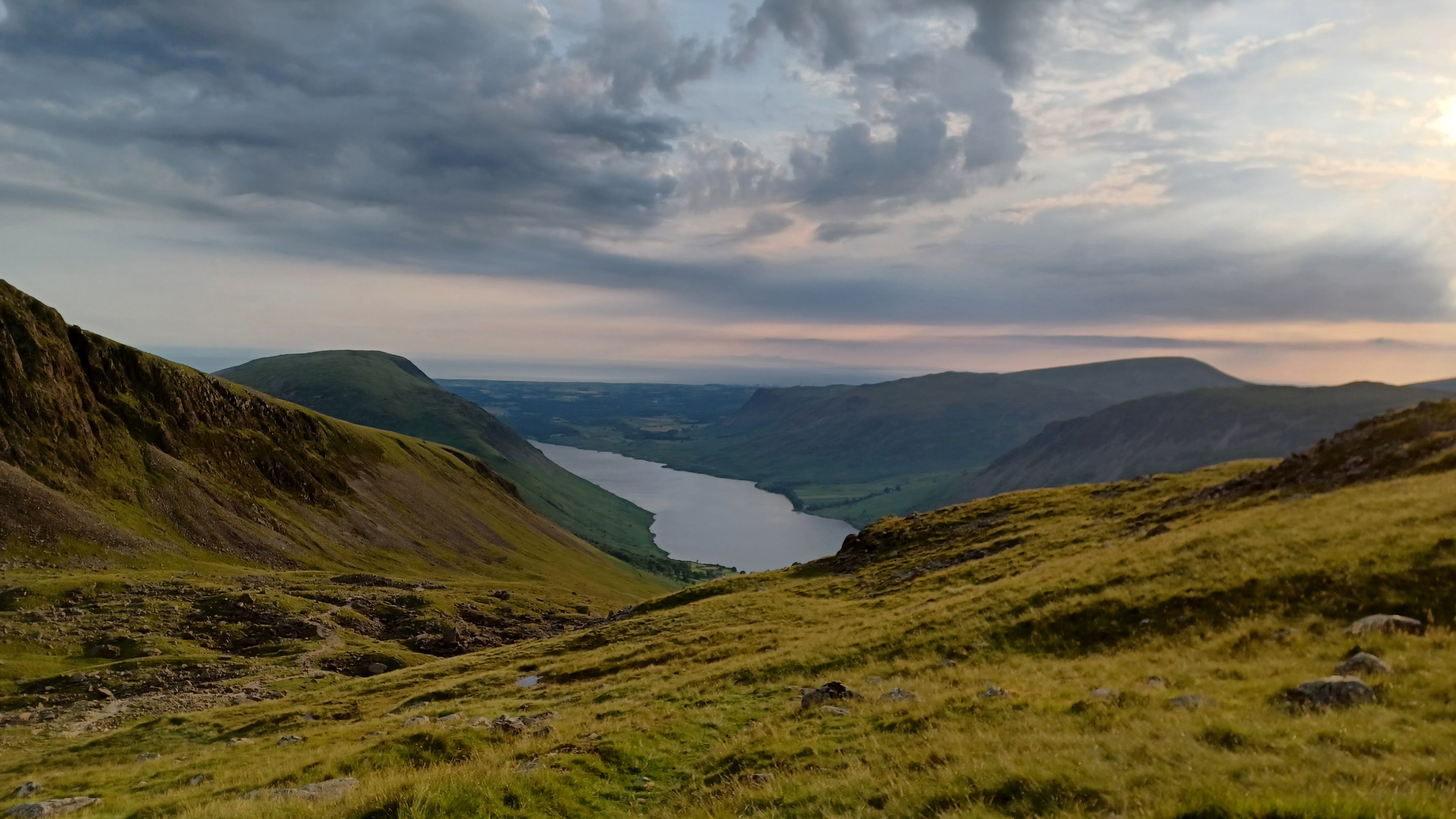
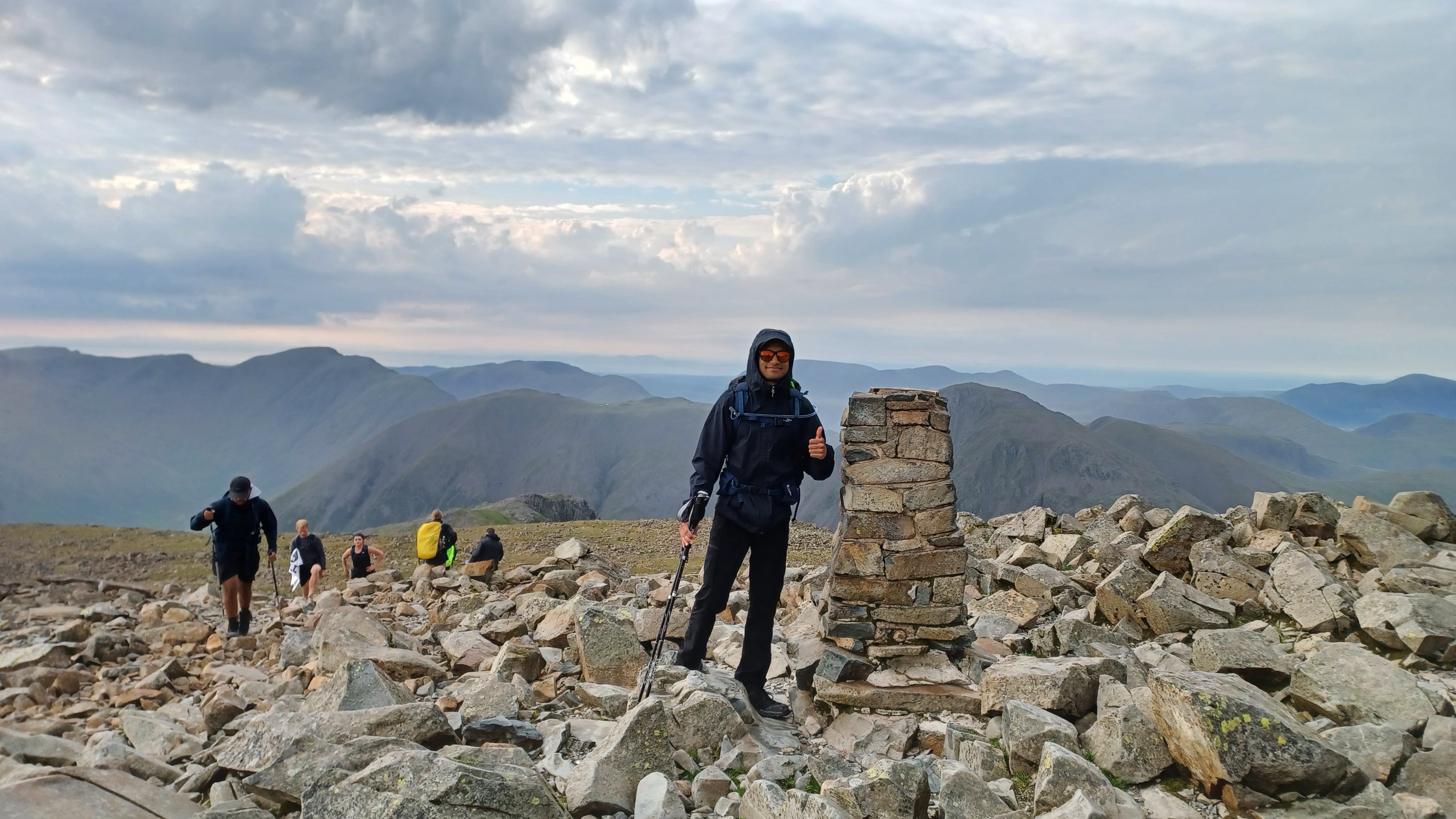
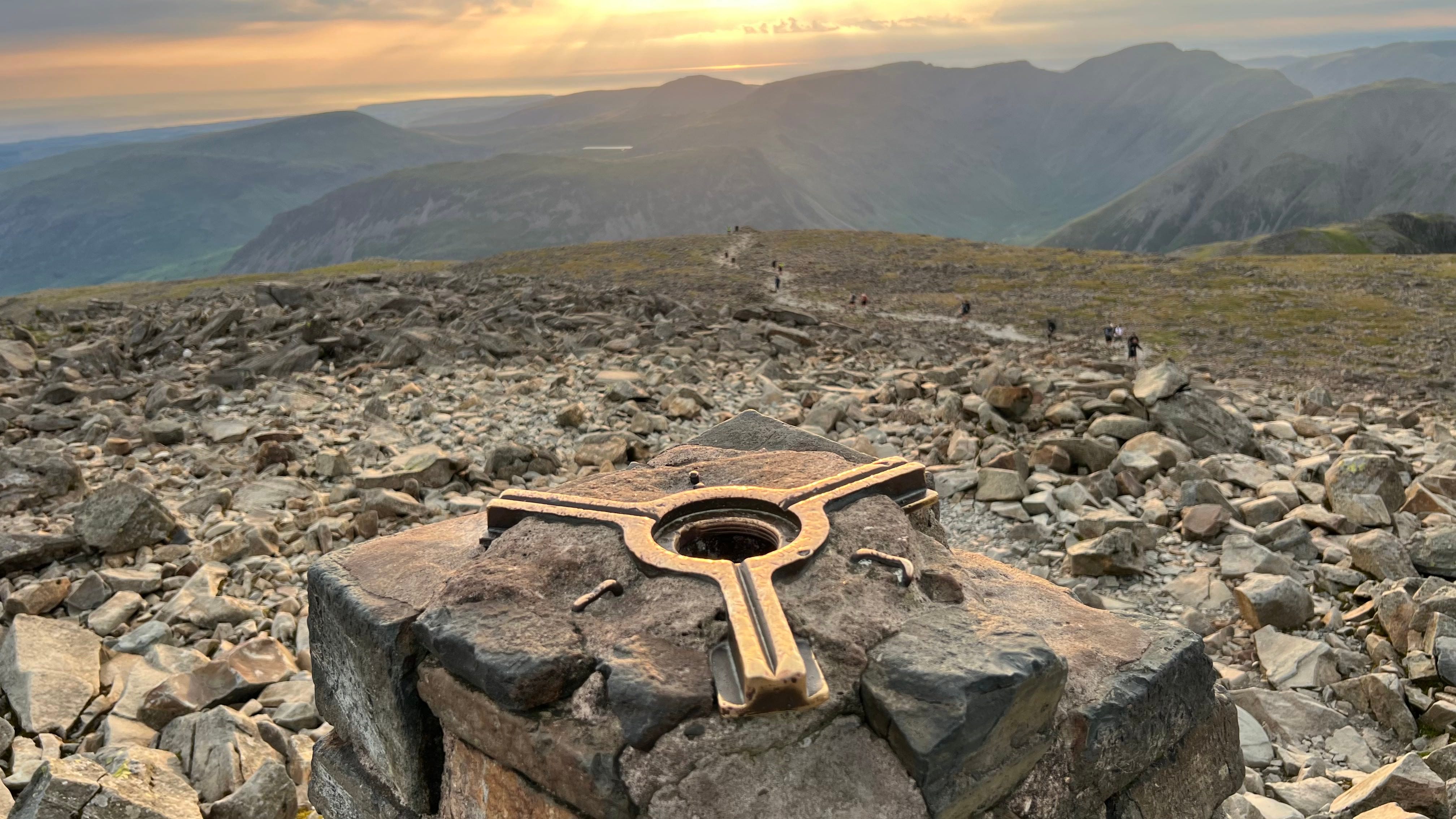
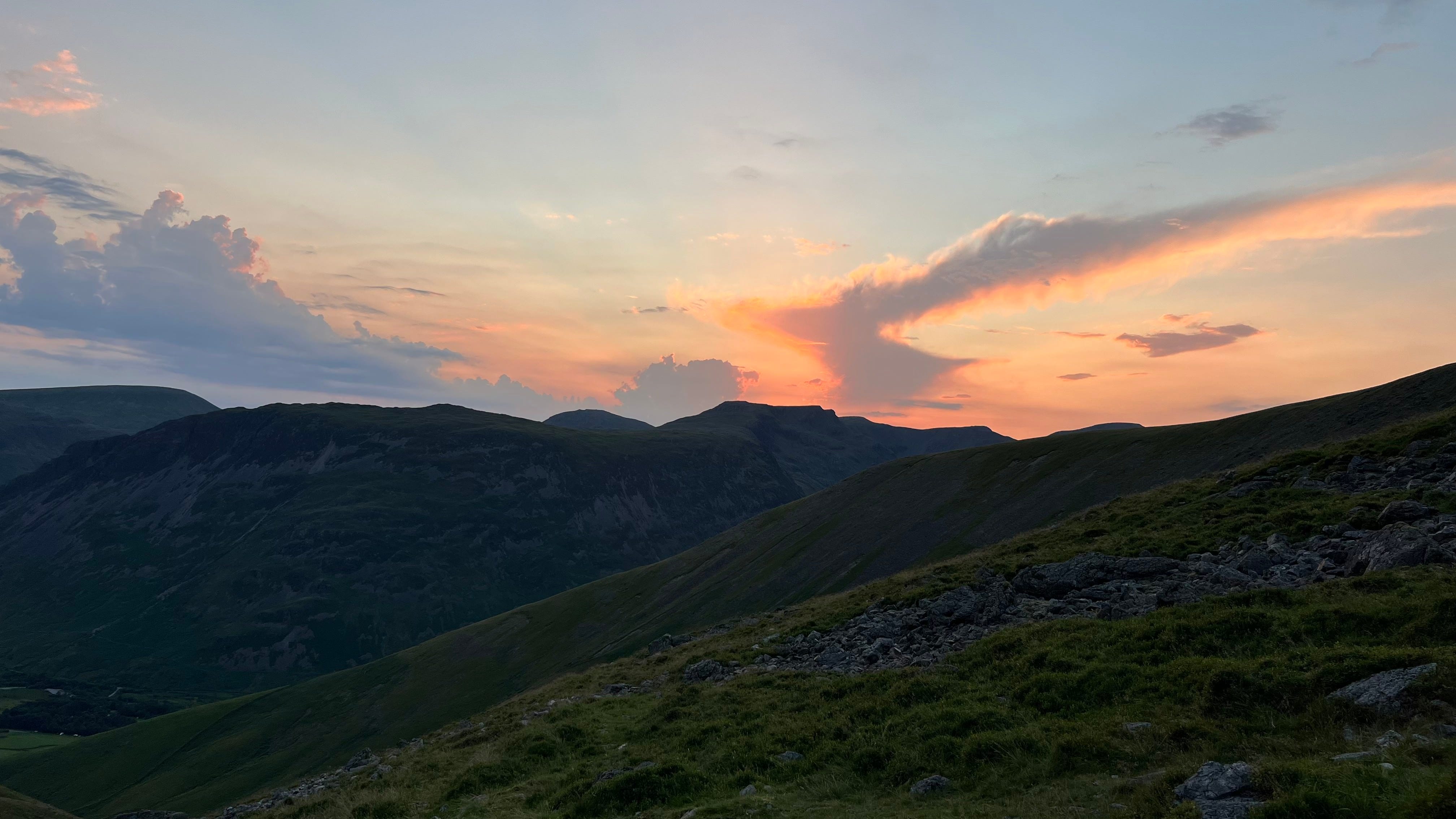
The drive from Ben Nevis to Scafell Pike consisted of napping and eating. Broken sleep and getting food in you, even if you didn’t really feel like eating. By the time we reached Scafell Pike, traffic had eaten into our schedule, meaning our target time dropped from four hours to just three and a half if we wanted to stay sub-24. We set off at around 5:45 p.m, and it was hot! It made the opening climb tough more because of the heat than the terrain. The long flights of steps felt easier than Ben Nevis, before giving way to steeper, rockier sections higher up. As I approached the summit, the distant thunder I'd been hearing finally caught up with us and the heavens opened. Donning a waterproof in this heat just meant that I was soaked from both the rain outside and the sweat inside. Thankfully, the rain cleared just after I reached the top, allowing me to admire the spectacular views across the Lake District. With the evening cooling down, the descent felt much more comfortable, and I pushed the pace all the way back to base. Scafell was completed in 2 hours and 58 minutes—well under the revised target—clawing back a huge amount of lost time.
2 down, 1 to go.
#3 Snowdon (Yr Wyddfa) - Wales (1085m)
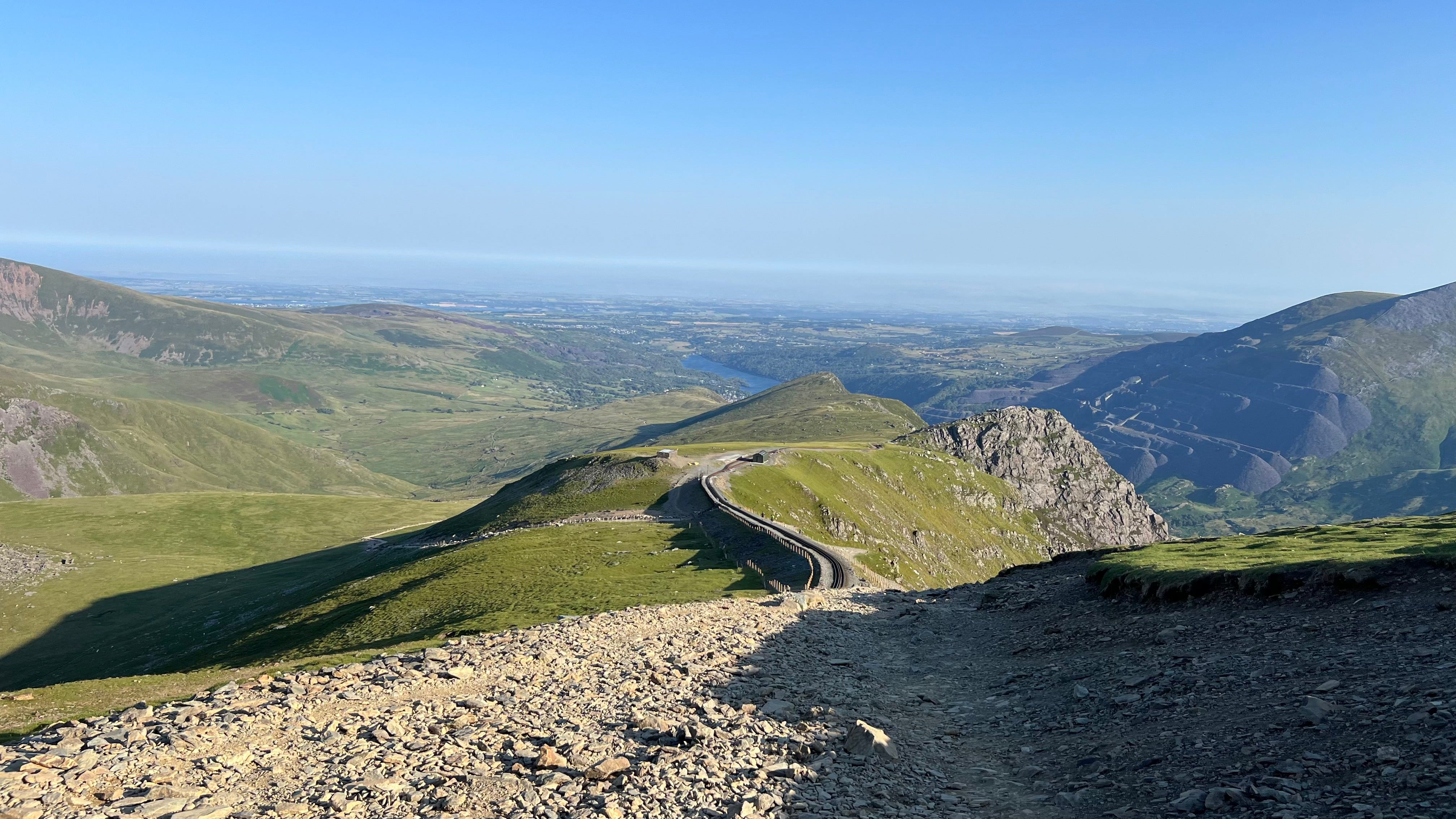
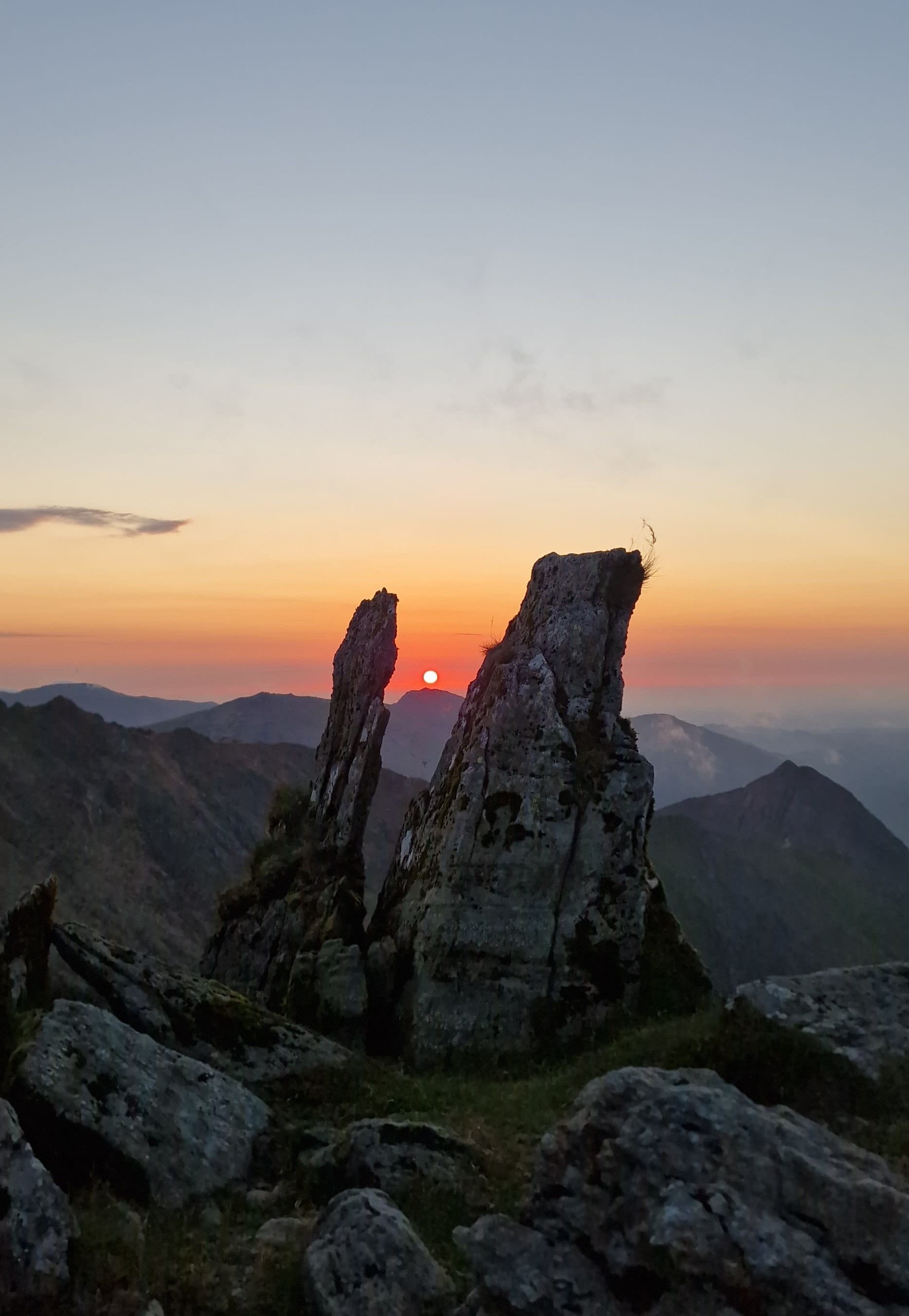
By the time we reached Snowdon, it was clear that finishing within 24 hours was going to be tight. That message spread around the minibus, and as we rolled into Llanberis (the town where we would start the hike) in the darkness. The bus fell silent as everyone made their final preparations, checking head torches and getting ready to move the moment the doors opened. As soon as we stopped, we jumped out and set off immediately, knowing every minute counted. To maximise our chances of finishing on time, we took the Llanberis Path rather than the steeper Pyg Track. Although it’s the gentlest route, its gradual climb felt like it went on ages. I initially tried to match the pace of the fastest hikers but quickly realised they were pushing harder than I could sustain, so I settled into my own rhythm. As the gradient steepened, my legs started feeling empty and I struggled to generate any power. I think it was something to do with low energy levels, so I took a short breather and had an energy gel I’d been saving for a situation like this. That seemed to help me regain momentum and I made my way to the summit. Strong winds at the top meant I grabbed a quick photo and turned straight back around. On the descent via the Ranger Path, the loose, rocky ground forced me to take it steady at first, but once the trail opened up I stripped off a layer and switched to a simple strategy: run the flats and descents, walk the climbs. As I made my way back towards the finish, it was hard to judge how close I was as I couldn’t see the minibuses. Then, suddenly, it appeared.
One final sprint to the car park, and the National Three Peaks Challenge was complete.
23 hours and 44 minutes.
Aftermath & Final Thoughts
Challenge completed, and the journey back to London was mostly sleeping after a tough 24 hours. The adrenaline wore off, and I realised just how tired I was from it all. The legs were sore for a couple of days after, but some rest and gentle walking helped get back to full health. Physical aspects aside, N3P was mentally one of the hardest challenges I’ve done. It’s the sustained period of focus, effort and willpower that you need to have to get it over the line. Preparation prior to starting was critical - from organising your change of clothes to knowing what and when you would eat. Knowing when to push and when to conserve your energy is super important, to ensure you have enough in the tank for Snowdon. Everyone in our group has their own tales to tell from the mountains, and only they will know how they fared. From my side, I’m happy with how it went. Would I do it again? I’m not so sure. However, doing more of these hiking challenges is definitely up my street (I can see the intersection of running / trail running / hiking and ultras happening), especially when doing it with a group as supportive and friendly as the Desi Ramblers. But for now, happy to say that I have completed the National 3 Peaks in 24 hours challenge!